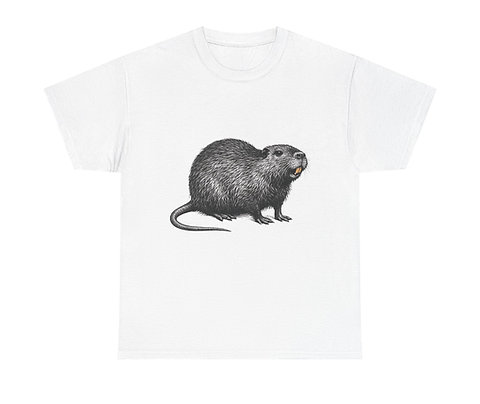
Welcome to the World of Nutria
Nutria
Myocastor coypus
Also known as: Coypu
Average lifespan: 8–10 years in the wild (up to 15 in captivity)
Primary habitat: Wetlands, marshes, rivers, and lakes
Geographic range: Native to South America; introduced populations in North America, Europe, Asia, and Africa

Overview
The nutria is a large, semi-aquatic rodent known for its webbed feet and bright orange teeth. Originally introduced to many regions for fur farming, it has since become an invasive species in several parts of the world. Nutria are strong swimmers and spend much of their lives in and around water.
What It Looks Like
-
Large, stocky rodent with a rounded body
-
Coarse brown fur with a lighter underside
-
Long, round tail with sparse hair
-
Webbed hind feet for swimming
-
Prominent orange front teeth
How It Behaves
-
Mostly nocturnal and crepuscular
-
Social, often living in small groups
-
Digs burrows into banks and levees
-
Excellent swimmers that can stay underwater for several minutes
What It Eats
-
Aquatic plants and grasses
-
Roots, stems, and tubers
-
Occasionally crops near waterways
-
Strictly herbivorous
Life Cycle
-
Breeding can occur year-round
-
Gestation lasts about 130 days
-
Females give birth to 1–13 young
-
Young are born fully furred and able to swim shortly after birth
Survival Skills
-
Webbed feet for efficient swimming
-
Dense fur that provides insulation
-
Strong incisors for cutting vegetation
-
Ability to close nostrils while underwater
Fast Facts
-
Nutria teeth are orange due to iron-rich enamel
-
Can weigh over 20 pounds
-
Originally introduced outside South America for fur farming
-
Considered invasive in many regions
Conservation
Nutria play a complex role in wetland ecosystems: while they consume aquatic vegetation and can influence plant growth, their feeding often becomes destructive outside their native range. Introduced to many regions for fur farming, nutria are considered invasive in places like North America and Europe, where overpopulation leads to severe wetland erosion, loss of marsh plants, and habitat damage for native wildlife. Conservation and management efforts focus on population control, wetland restoration, and preventing further spread to protect vulnerable ecosystems rather than conserving the species itself.